
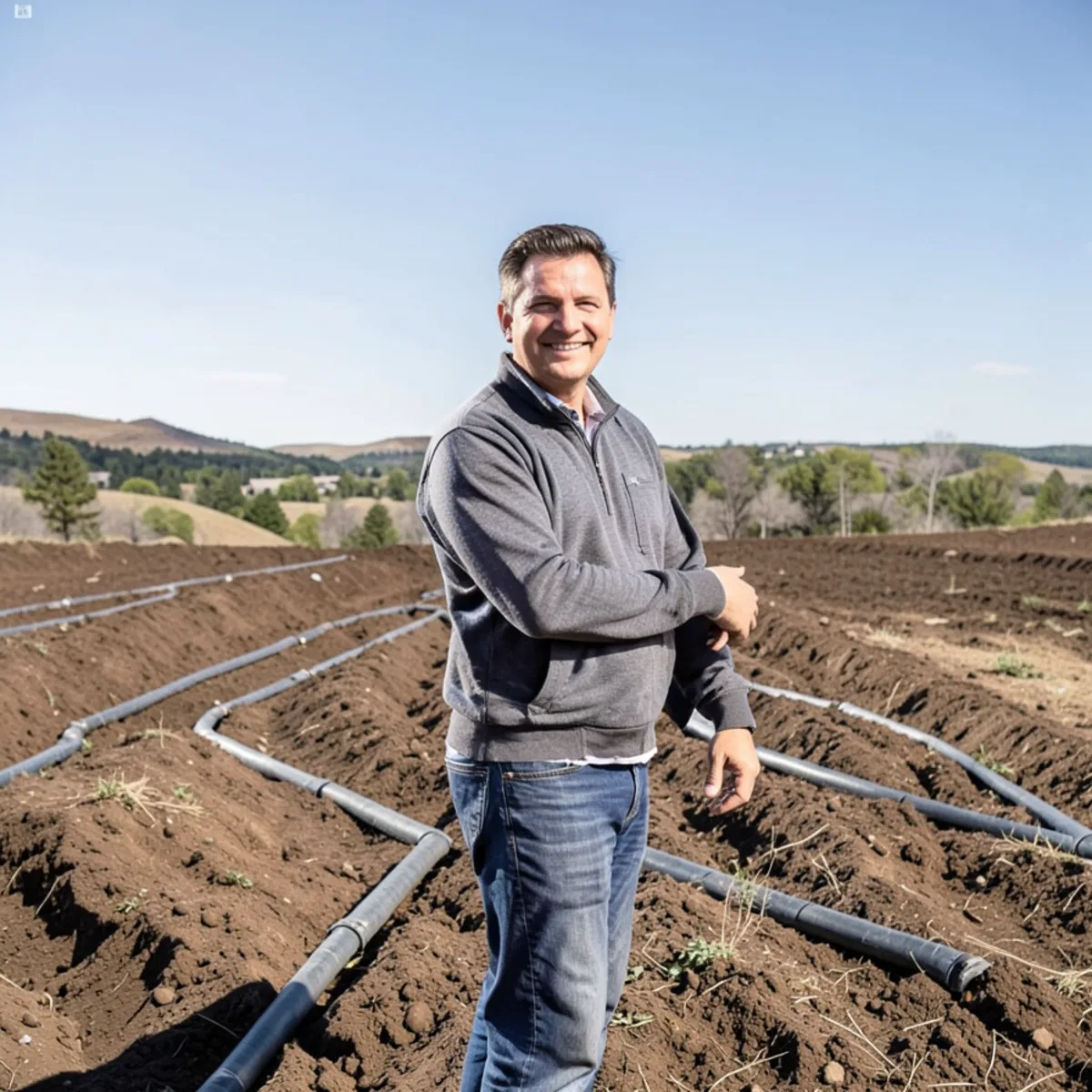
The unique geological challenge beneath Front Range homes
Homeowners living along the Colorado Front Range—from Littleton and Highlands Ranch down through Castle Rock, and west through Lakewood and Golden—sit atop some of the most geotechnically active subsoils in the United States. The underlying bedrock formations, predominantly the Denver Formation, Dawson Arkose, and Pierre Shale, are rich in highly reactive clay minerals, primarily calcium and sodium smectite and bentonite. In geotechnical engineering circles, these soils are categorized as "expansive soils." Unlike stable sandy loams or cohesive glacial tills found in other parts of the country, Front Range smectite clays possess an expansive crystalline lattice structure that chemically absorbs water molecules, expanding and contracting with immense hydraulic force as moisture levels fluctuate throughout the year.
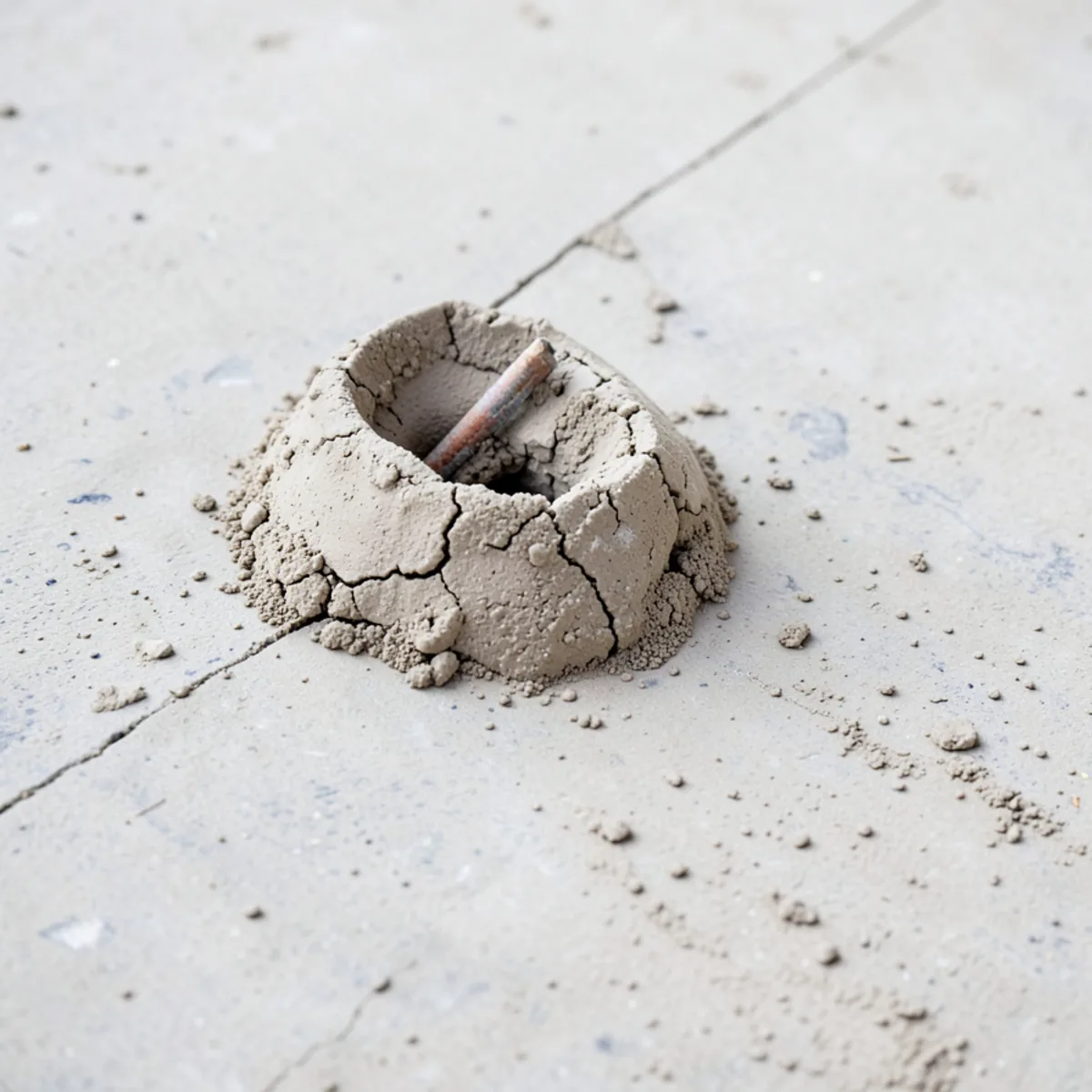
The mechanics of the shrink-swell cycle: nature's hydraulic jack
Expansive clay acts essentially like an subterranean hydraulic jack beneath residential properties. The cycle operates in two destructive seasonal phases:
The swelling phase: winter snowmelt and spring irrigation
During spring runoff, melting winter snowpacks, and heavy early-season lawn irrigation, water infiltrates deep into the subsoil. As smectite clay minerals absorb moisture, they expand by as much as 10% to 20% in total physical volume. Geotechnical soil tests across Arapahoe and Douglas Counties demonstrate that swelling clay can generate vertical swell pressures exceeding 5,000 to 10,000 pounds per square foot. This immense upward force easily heaves concrete driveways, displaces basement structural slabs, and exerts tremendous directional bending stress on underground utility lines.
The shrinkage phase: hot summer droughts and winter freezes
During dry Colorado summer months and arid winter freeze periods, the soil loses moisture rapidly through surface evaporation and deep tree root transpiration. As water leaves the clay lattice, the soil contracts dramatically, pulling away from foundations and creating wide fissures and subsurface voids. Buried pipes that were forced upward during spring heave suddenly lose their underlying physical support as the desiccated ground settles beneath them.
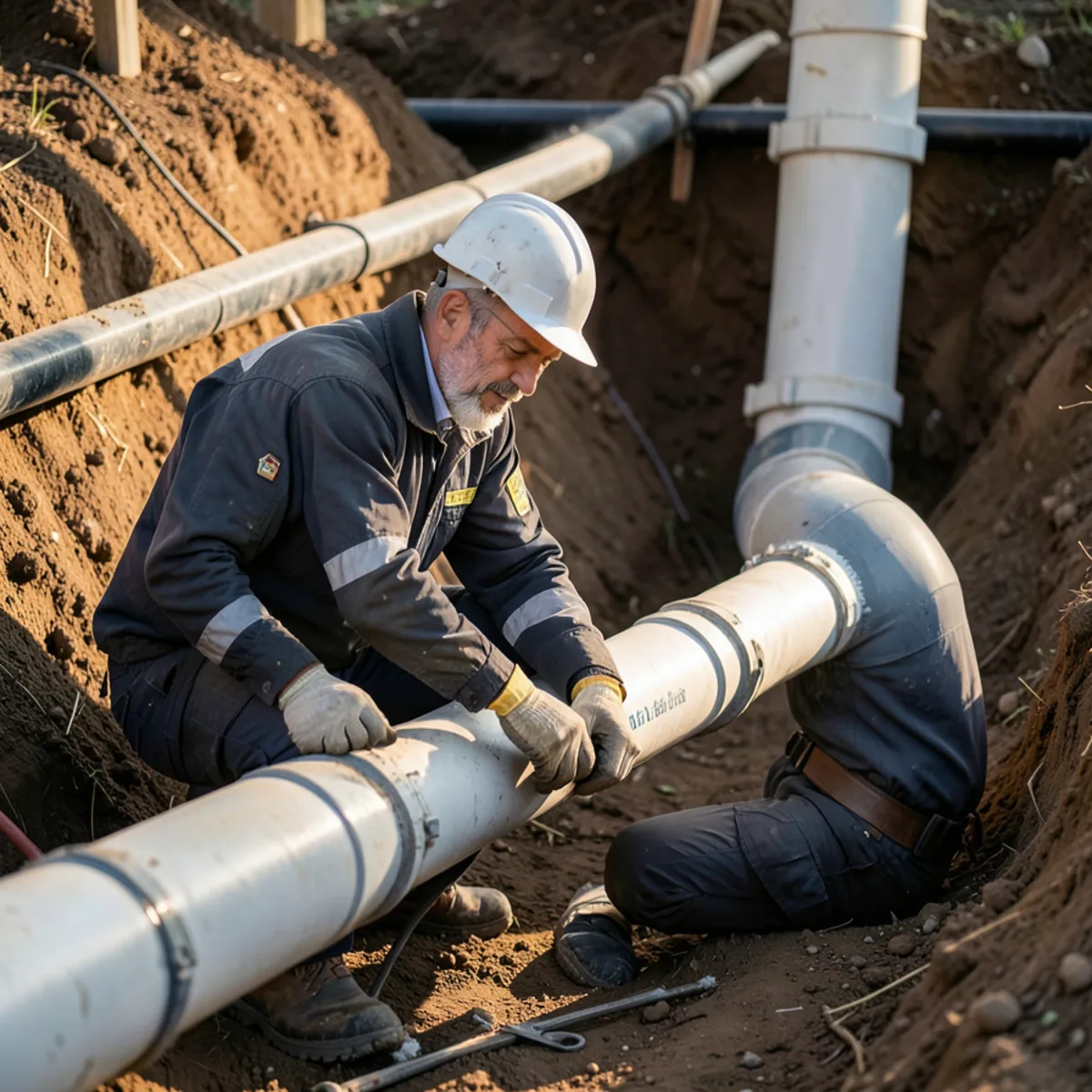
Four destructive ways expansive clay ruins underground sewer laterals
This continuous, repetitive annual movement inflicts severe structural and hydraulic damage on rigid underground drainage pipes:
1. Sheared, offset, and displaced pipe joints
Vitrified clay lines installed throughout the 20th century were manufactured in short 3-foot to 5-foot sections connected with rigid cement mortar or early asphaltic gaskets. Rigid PVC lines use solvent-welded bell-and-spigot joints every 10 to 20 feet. Neither material possesses significant angular flexibility. When one section of soil heaves while an adjoining section settles, the pipe snaps at the joint. The resulting offset creates an internal lip that acts like a solid dam, catching toilet paper, grease, and waste solids.
2. Pipe bellies and permanent loss of engineered gravity fall
Sewer laterals rely entirely on gravity, requiring an engineered downward slope of at least 1/4-inch per foot (a 2% grade). When deep builder utility trenches backfilled with uncompacted native clay settle over decades, sections of pipe sag downward, creating standing water "bellies." Solids settle in these stagnant dips, triggering chronic, recurring drain blockages.
3. Sheared penetrations at the basement foundation wall
Most modern Front Range homes are constructed on deep structural concrete caissons drilled 20 to 30 feet into solid bedrock. The house foundation remains relatively stable. However, the exterior sewer pipe is buried in shallow yard backfill that heaves and settles with the seasons. This differential movement creates immense shear force right where the sewer pipe exits through the basement wall, frequently shearing the line completely off at the concrete penetration.
4. Negative pitch and reverse-slope traps
In severe instances of localized ground heave—frequently exacerbated by over-irrigated turf or leaking gutter downspouts near the street curb—the middle of the sewer lateral is pushed higher than the house exit, creating a reverse-slope condition where sewage must fight uphill to reach the street.
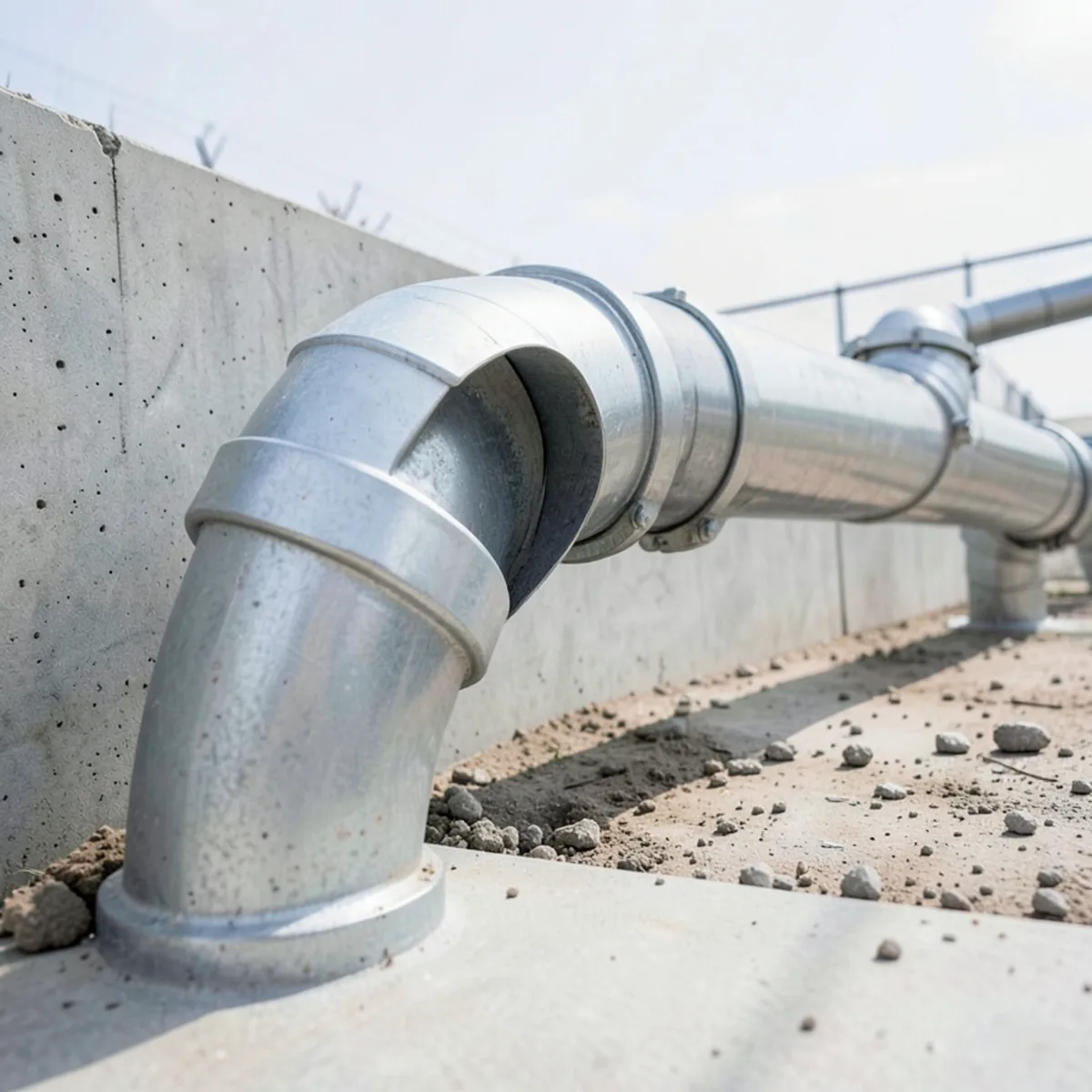
Engineering solutions designed to withstand Front Range expansive clay
Protecting a sewer lateral in Colorado requires specialized materials and geotechnical installation practices that account for continuous ground movement:
Continuous, seamless SDR 17 HDPE pipe installed via pipe bursting
The premier material solution for expansive soils is High-Density Polyethylene (HDPE). Installed via trenchless static pipe bursting, HDPE sections are joined through thermal butt-fusion, creating a 100% continuous, monolithic pipe without mechanical joints or gaskets. HDPE possesses high tensile ductility and flexibility, allowing the pipe to bend and flex with moving clay heave without cracking, pulling apart, or leaking.
Mechanically isolated washed crushed squeegee gravel bedding
When open excavation is required to correct a severe belly or repair a foundation break, contractors must never backfill the trench with native clay soil. Our crews bed all newly installed piping in a continuous 6-inch envelope of washed 3/4-inch crushed squeegee aggregate. Angular crushed gravel does not expand or contract when wet, creating a stable, mechanically isolated foundation that preserves the laser-verified 1/4-inch fall slope.
Heavy-duty ASTM C1460 shielded stainless steel transition couplings
Where modern plastic piping transitions to cast iron foundation stubs or municipal street taps, flexible rubber "Fernco" slip couplings fail under soil heave. We mandate heavy-duty, full-metal-jacketed shielded stainless steel couplings conforming to ASTM C1460 and ASTM C1173 standards, which prevent shear deflection and maintain joint alignment.
Homeowner landscape and drainage rules to stabilize underground soils
While structural plumbing upgrades provide the ultimate defense, homeowners can significantly reduce underground soil movement by implementing basic surface moisture management. Ensure all roof gutter downspouts discharge at least 10 feet away from the home foundation via rigid extensions or buried solid PVC lines. Grade soil away from foundation walls at a minimum slope of 5% (6 inches of fall over the first 10 feet). In addition, install smart weather-based irrigation controllers to prevent over-watering during wet spring weeks, and avoid planting thirsty, deep-rooted shade trees—such as Plains Cottonwoods, Silver Maples, and Willows—directly above the sewer lateral run, as their aggressive roots accelerate soil desiccation and infiltrate pipe joints.