The evolution of sewer lateral replacement in Colorado
For decades, replacing an underground sewer lateral was one of the most physically destructive and feared home improvement projects a property owner could face. Traditional methods required rolling heavy track excavators across front lawns, digging an eight-to-ten-foot-deep continuous open trench from the foundation wall out to the street collector, destroying mature trees, and jackhammering through concrete driveways, stone patios, and city sidewalks. Today, advanced trenchless technologies allow licensed master plumbers to completely replace or rehabilitate underground sewer lines without turning your property into an active strip mine. However, choosing the correct method requires an objective engineering evaluation of pipe depth, soil mechanics, existing slope, and total project economics.
The two primary trenchless technologies: pipe bursting vs. CIPP lining
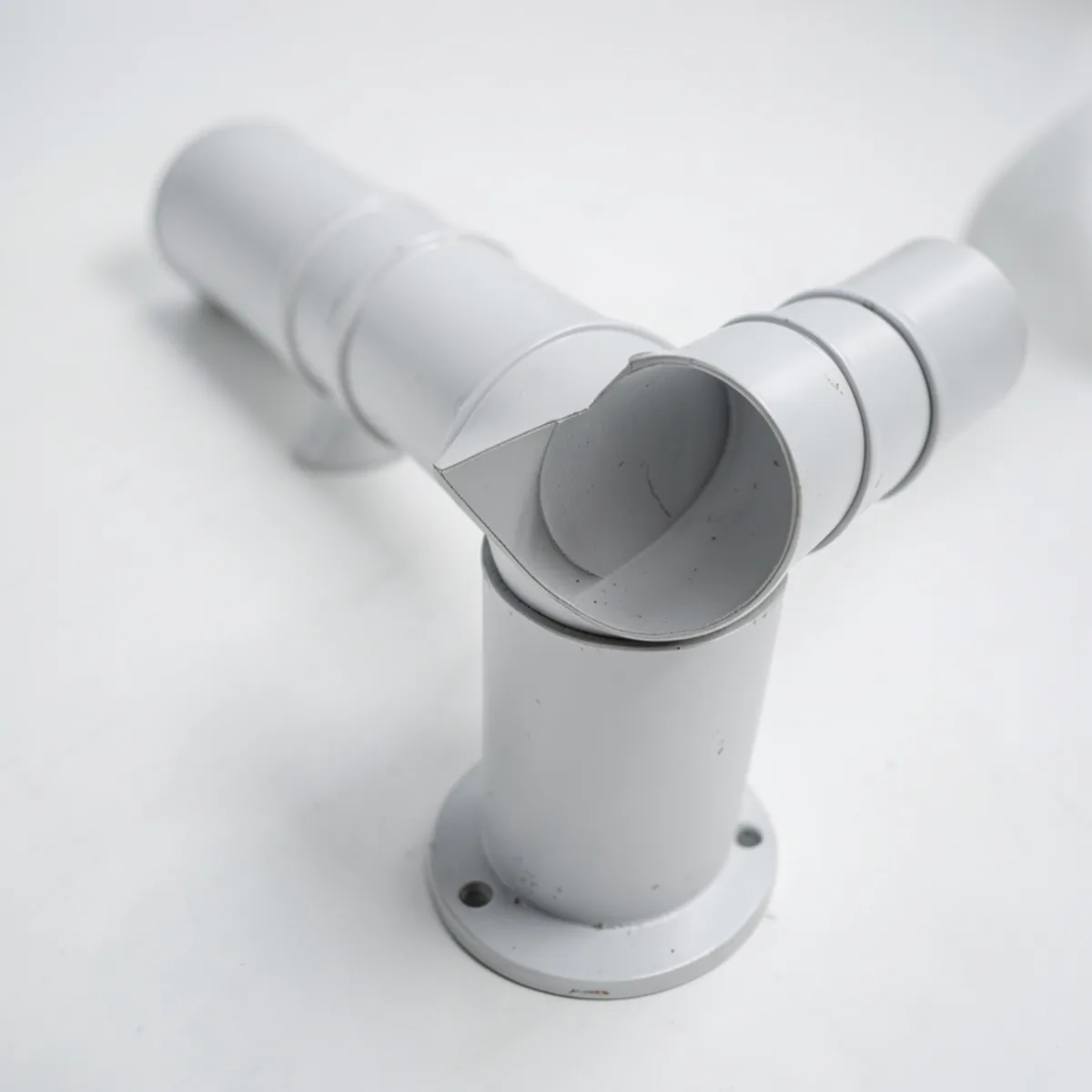
Trenchless sewer replacement is not a single generic process; it comprises two distinct engineering methodologies tailored to different subterranean conditions:
1. Static hydraulic pipe bursting (total structural replacement)
Static pipe bursting is a method that replaces the old pipe with a brand-new, larger or size-on-size continuous pipe. Our technicians excavate two small access pits: an insertion pit near the home foundation cleanout and a receiving pit at the property line or municipal tap. A high-tensile steel cable is threaded through the old damaged pipe and hitched to a hardened conical steel bursting head attached to continuous SDR 17 High-Density Polyethylene (HDPE) pipe. A hydraulic pulling machine generates up to 30 to 50 tons of pulling force, drawing the bursting head through the failing host pipe. The expander head shatters the brittle clay, cast iron, or Orangeburg pipe outward into surrounding soil while simultaneously pulling the seamless, root-proof HDPE line into place.
2. Cured-in-Place Pipe (CIPP) epoxy lining (structural rehabilitation)
CIPP lining, governed by ASTM F1216 standards, rehabilitates existing pipes from within without excavation. A flexible, epoxy-saturated polyester felt tube is inverted into the damaged pipe using pressurized air or water columns through an existing cleanout. Once expanded tightly against the host pipe walls, hot water or steam is circulated to cure the epoxy into a rock-hard structural liner. CIPP creates a seamless pipe-within-a-pipe that eliminates joint leaks and blocks root penetration, with only a nominal 1/4-inch reduction in internal diameter.
When traditional open-cut excavation is still structurally mandatory
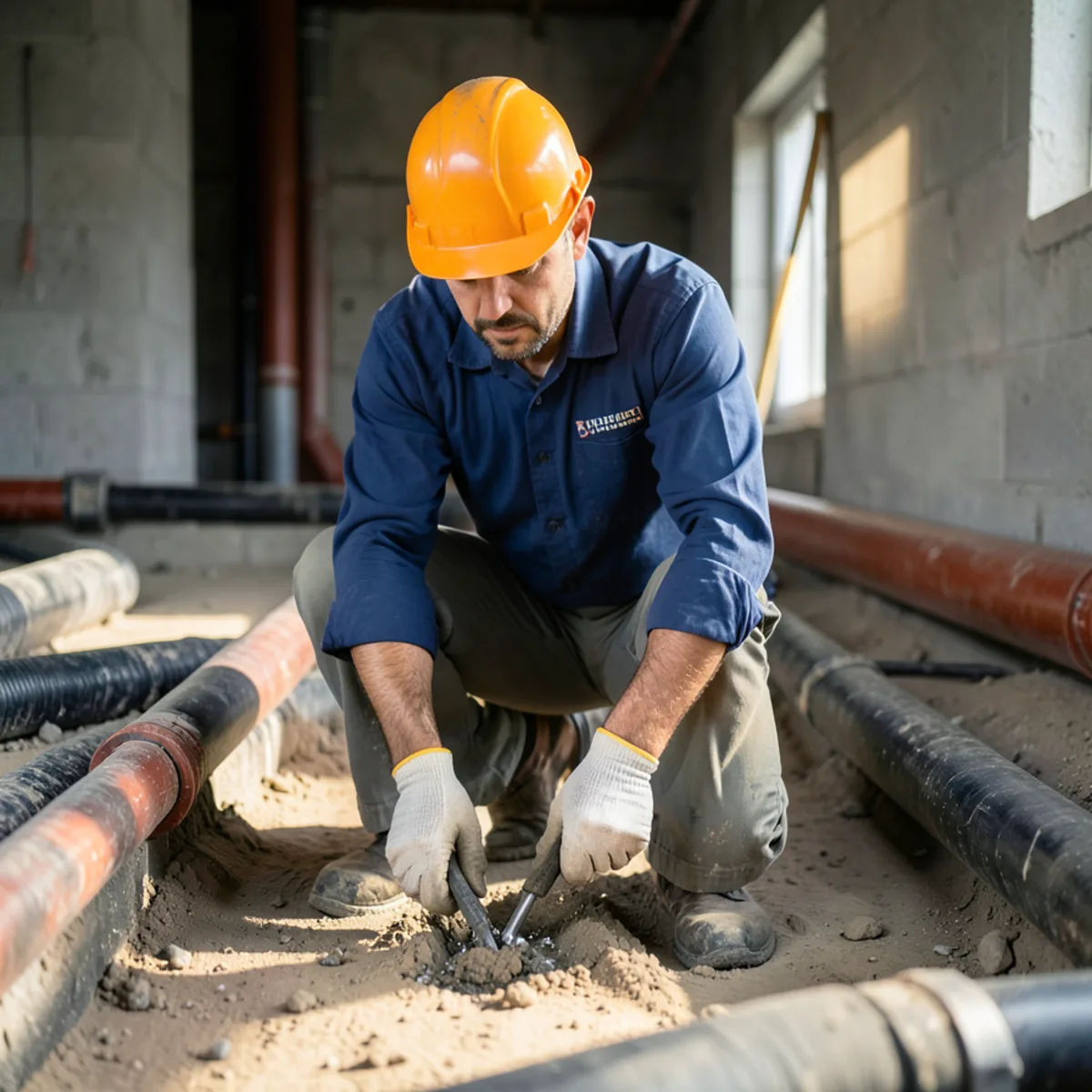
While trenchless solutions are feasible and preferable in approximately 80% to 85% of Front Range residential projects, open-cut excavation remains an engineering necessity under specific geotechnical and hydraulic conditions:
Severe standing water bellies requiring manual re-grading
Trenchless pipe bursting follows the path of the existing host pipe. If a sewer lateral has developed a long, deep belly (sag) due to uncompacted builder backfill settling beneath expansive clay, pulling a new line through that path will simply replicate the dip. Correcting a major belly requires open-cut excavation to physically re-grade the trench and pack a continuous foundation of washed 3/4-inch crushed gravel.
Pancaked or completely collapsed pipe alignments
If an Orangeburg or vitrified clay line has suffered a total structural collapse, blocking the passage of optical inspection cameras and steel pulling cables, trenchless equipment cannot navigate the blockage. The collapsed section must be exposed with vacuum excavation or a mini-excavator.
Multiple sharp 90-degree directional bends or reverse pitch
Pipe bursting heads cannot navigate sharp 90-degree elbows or reverse-pitch grade shifts without jamming or shearing adjoining utility lines. Lines with multiple acute bends require targeted excavations at each transition point.
The true total cost comparison: factoring in restoration and hardscaping
When evaluating contractor estimates, homeowners often look solely at the primary plumbing line-item bid. On paper, a basic open-cut trenching bid may appear slightly lower than a specialized trenchless pipe bursting estimate because the plumbing contractor excludes all surface restoration. However, an open-cut trench through an established yard creates massive secondary expenses. Homeowners must hire secondary contractors to saw-cut, remove, and re-pour concrete driveways ($12 to $18 per square foot), replace custom stamped concrete or flagstone walkways, rebuild retaining walls, replace irrigation lines, and re-sod lawns. In addition, removing a mature 40-year-old oak or elm tree located above the sewer trench costs thousands of dollars and destroys decades of curb appeal. When all hardscape and landscape restoration invoices are factored into the equation, trenchless pipe bursting almost always yields a significantly lower total project cost.
Detailed cost breakdown: open trenching vs. pipe bursting
In the Denver metropolitan area, a standard 80-foot open-cut sewer replacement typically incurs $6,000 to $9,000 in direct excavation and pipe installation charges. However, repairing the resulting 6-foot-wide swath through an asphalt or concrete driveway, re-pouring sidewalks, repairing underground irrigation manifolds, and laying fresh sod adds an average of $3,500 to $6,000 in secondary landscaping expenses, bringing the real invoice to $9,500–$15,000. In contrast, static pipe bursting typically ranges between $7,000 and $10,500 all-inclusive, requiring only minor topsoil patching over two small 4x4-foot access pits.
Municipal right-of-way cost factors for street cuts
If the repair extends into a public street or alley right-of-way in Littleton, Englewood, or Denver, open-cut excavation costs escalate rapidly due to municipal street cut fees ($500 to $2,000), traffic control staging, and mandatory infrared hot-mix asphalt patching. Trenchless bursting significantly minimizes street surface cuts by launching from within the property line to the city tap.
The 100-year durability advantage of butt-fused HDPE pipe
The ultimate advantage of trenchless pipe bursting lies in the material science of High-Density Polyethylene (HDPE). Traditional vitrified clay lines feature joints every 3 to 5 feet, while Schedule 40 PVC lines incorporate solvent-welded bell-and-spigot joints every 10 or 20 feet. In Front Range expansive clay soils that heave and settle with moisture shifts, these joints remain vulnerable to shearing and root ingress. HDPE pipe, by contrast, is joined through thermo-mechanical butt fusion, where pipe ends are melted and fused under hydraulic pressure. The resulting joint is structurally stronger than the pipe wall itself, creating a 100% continuous, joint-free pipe that moves with soil shifting without leaking or separating. In addition, HDPE possesses exceptional chemical resistance against harsh household detergents, acids, and sewer gases, ensuring over a century of trouble-free service.